
Video Gaming As a Solution to World Problems
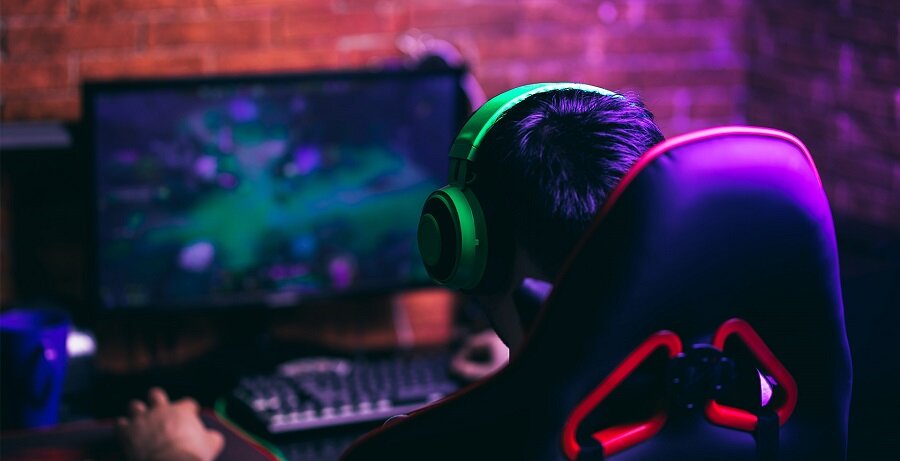
Video gaming isn’t usually thought of as a solution to world problems. But gamers may be able to help solve some of the most complex and challenging issues facing our planet.
Video games often require deep practice. This means that players repeat the same set of circumstances over and over again. This approach can improve cognitive skills and help develop consistency.
It helps to reduce stress
The gaming experience is often relaxing and can help you forget about your stresses. It also provides a sense of accomplishment when you successfully complete levels and win awards. In addition, many games can provide a release of dopamine that makes you feel happy.
Violent video games have come under much criticism because they are fast-paced and can lead to a lack of empathy and alexithymia (the inability to determine one’s own emotions). However, recent research shows that video games aren’t as harmful as they are often portrayed.
In fact, playing video games can help to reduce stress by improving cognitive skills. This is particularly true for more casual genres like matching, brain puzzles, party and music and dance games. In addition, video gaming can also help to improve social skills and self-esteem. It can help people become more creative by giving them a platform to express themselves. This is especially useful for single gamers who can find a sense of community online. In addition, it can be an effective way to relieve boredom during mandatory quarantines.
It helps to improve cognitive skills
Video games have been accused of desensitizing players to violence, but they can also stimulate the brain. Many gamers are good at concentration, creativity, problem-solving, language skills and multitasking. Games can even help you learn about world history, cooking, geography, chemistry and architecture. Video gaming has become the leading platform for interactive learning.
The most controversial video games are often shooter games with violent content, but they can help improve spatial navigation, reasoning and memory. A recent study found that play of these games improved the player’s ability to think about objects in three dimensions, a skill important for careers in engineering, science and math.
Other studies have shown that playing video games can improve your concentration, visual perception and spatial thinking. These cognitive abilities are important for learning in general and for life in the real world. This is why some people are able to solve complex puzzles or engage in deep, thought-provoking discussions in game forums that rival the intensity of real life. This has led to some arguing that video gaming can teach children and adults new ideas and information.
It helps to develop empathy
Some worry that video games stunt kids’ ability to feel empathy, a core emotion that affects interpersonal relationships and conflict management. However, new research suggests that if games are designed in the right way, they can help improve kids’ emotional abilities.
Empathy games use immersive settings to help children develop a sense of empathy for other people’s situations and struggles. For example, a game called Peekapak allows kids to explore the natural habitat of animals, such as Leo the Hedgehog, and take on their perspectives. This type of perspective-taking helps them better understand how other people see the world and how their actions may impact others’ lives.
But just playing these games won’t necessarily teach kids about a particular subject, Farber warns. It will require some follow-up—similar to how kids won’t understand the meaning of To Kill a Mockingbird just by reading it once. He recommends that parents and teachers play these games with kids or students, and then talk about the experience. They should also encourage kids to keep a diary about their gaming experiences to further reinforce what they learned.
It helps to develop leadership skills
Video games can provide opportunities for gaining the skills that leaders need. Whether it’s the ability to make decisions under pressure, the ability to multitask or the ability to read small print, gaming can help players develop the soft skills that many employers look for in new hires.
A 2014 study found that playing action games improves vision, attention and cognitive skills. It also enhances response time and hand-eye coordination. This is important for any business, especially if you’re looking for employees who can handle the fast-paced nature of the industry.
More importantly, though, these games teach students to think strategically and critically. These are skills that will serve them well in any workplace, particularly if they’re involved in a leadership role. More than that, video games encourage the development of empathy, another critical skill for leaders. This is because games often take players into fictional worlds, where they can see the effects of their decisions in real-time. This is particularly true for adventure games, such as Salaam and The Last of Us, that immerse players in characters’ lives and cause them to feel invested in their decisions.
It helps to develop social skills
Video gaming is not just a way to get a little bit of entertainment. It can also teach us some utilitarian skills that we can use in our daily lives. These include teamwork and social interaction, strategic planning, and learning from failure. Some games even help us develop leadership skills. This is because some games require you to take on the role of a leader, such as multiplayer games or online gaming. In addition, playing these games helps you to improve your visuospatial abilities, which are important in the workplace and in life.
There is a growing sense of community among gamers, with esports teams and clubs being formed around the world. This social aspect of gaming can be beneficial for people with disabilities, especially those who find it difficult to interact with others in the real world. However, it is important to maintain a balance between social media interactions and face-to-face social interaction.
Many parents have heard their children being told to stop spending so much time playing video games and spend more time with friends. This may work in the short term, but if it becomes a habit, it can cause problems with social anxiety and make it hard to form new relationships.